
• Back Pain

    The human back is composed of a complex structure of muscles, ligaments, tendons, disks, and bones, which work together to support the body and enable us to move around.

    The segments of the spine are cushioned with cartilage-like pads called disks.

    Problems with any of these components can lead to back pain. In some cases of back pain, its cause remains unclear.

    Damage can result from strain, medical conditions, and poor posture, among others.

    Symptoms

    The main symptom of back pain is an ache or pain anywhere in the back, and sometimes all the way down to the buttocks and legs.

    Some back issues can cause pain in other parts of the body, depending on the nerves affected.

    The pain often goes away without treatment, but if it occurs with any of the following people should see their doctor:

    • weight loss
    • fever
    • inflammation or swelling on the back
    • persistent back pain, where lying down or resting does not help
    • pain down the legs
    • pain that reaches below the knees
    • a recent injury, blow or trauma to the back
    • urinary incontinence
    • difficulty urinating
    • fecal incontinence, or loss of control over bowel movements
    • numbness around the genitals
    • numbness around the anus
    • numbness around the buttocks
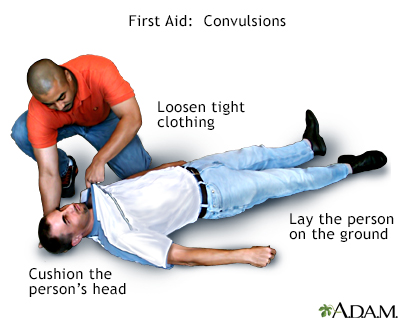
  • FITS AND EPILEPSY

    Epilepsy is a disorder in which seizures (“fits”) occur repeatedly. Sometimes the fit begins as a result of damage to the brain, but usually there is no apparent reason for the fits and the animal is otherwise healthy. If you are the owner of an epileptic dog, you may have experienced the distressing sight of your pet having a fit. While the outlook may at first seem bleak, it is important to remember that in a typical fit, the dog is unconcious and not aware of what is happening. Also, in most cases, safe and effective treatment is available and most epileptic dogs enjoy a long and normal life.

    Symptoms:

    * smacking your lips

    * rubbing your hands

    * making random noises

    * moving your arms around

    * picking at clothes

    * fiddling with objects

    * adopting an unusual posture

    * chewing or swallowing

  • Paralysis

    Paralysis is the loss of muscle movement in the body. Our sense of movement is controlled by communication between the sensory nerves (which are part of the peripheral nervous system) and the central nervous system (comprised of the brain and spinal cord). Disruption of communication of nerve impulses anywhere along the pathway from the brain to the muscles can impair control of muscle movement and cause muscle weakness and loss of coordination. Muscle weakness can progress to paralysis, loss of the ability to move the muscles.

    Paralysis could be localized, or generalized, or it may follow a certain pattern. Most paralyses caused by nervous system damage (i.e. spinal cord injuries) are constant in nature; however, there are forms of periodic paralysis, including sleep paralysis, which are caused by other factors.

    Symptoms:   

    * Changes in mood, personality or behavior

    * Clumsiness

    * Confusion or loss of consciousness for even a brief moment

    *  Difficulty with memory, thinking, talking, comprehension, writing or reading

    *  Drooling

    *  Numbness

  • Memory loss

    Memory loss, also referred to as amnesia, is an abnormal degree of forgetfulness and/or inability to recall past events. Depending on the cause, memory loss may have either a sudden or gradual onset, and memory loss may be permanent or temporary. Memory loss may be limited to the inability to recall recent events, events from the distant past, or a combination of both. Although the normal aging process can result in difficulty in learning and retaining new material, normal aging itself is not a cause of significant memory loss unless there is accompanying disease that is responsible for the memory loss.

    Symptoms:

    *  The individual may ask or inquire about the same thing repeatedly.

    *  The individual may at times find it tough to express himself, with problems finding the right words to use.

    *  The individual may not be able to perform a familiar task despite the fact that he or she may have performed that very same task previously on numerous occasions without any flaws.

    *  The individual may also display symptoms that are easy to mistake and regard as absent mindedness. For example the person may misplace items and often place them in inappropriate places, such as storing a wallet in the freezer.

    *  Another alarming sign is that the individual may get lost while in familiar areas or in their own neighborhood.

    *  The individual may also experience mood or behavioral changes for no apparent reason.