
• Depression

    Depression is a mood disorder in which feelings of loss, anger, sadness, or frustration interfere with everyday life. Although everyone feels sad sometimes, depression is persistent and disrupts your daily life.

    Depression may be described as feeling sad, blue, unhappy, miserable, or down in the dumps. Most of us feel this way at one time or another for short periods.

    Clinical depression is a mood disorder in which feelings of sadness, loss, anger, or frustration interfere with everyday life for a longer period of time.

    • Persistent sadness, pessimism
    • Feelings of guilt, worthlessness, helplessness, or hopelessness
    • Loss of interest or pleasure in usual activities, including sex
    • Difficulty concentrating and complaints of poor memory
    • Worsening of co-existing chronic disease, such as rheumatoid arthritis or diabetes
    • Insomnia or oversleeping
    • Weight gain or loss
    • Fatigue, lack of energy
    • Anxiety, agitation, irritability
    • Thoughts of suicide or death
    • Slow speech; slow movements
    • Headache, stomachache, and digestive problems

  • Mongolism

    Mongolism is an inherited disorder in which mental retardation is a major feature. The risk of it occurring rapidly escalates when a woman exceeds the age of 40, and especially with a first A Down’s syndrome child suffers a chromosomal abnormality that results in mental retardation.

    In fact, this is now often considered to be a valid reason for a legal termination of the pregnancy. A test carried out following amniocentesis at week 14 of pregnancy may detect the abnormal chromosome. But just the same, cases do occur, and these with younger women for reasons unknown.

    Symptoms:

    * Head is smaller than normal

    * Flattened nose

    * Large tongue

    * Slanted eyes

    * Growth retardation

    * Mental retardation

    * Shorter than average height

    * Obesity

    * Vision change

    * Hearing loss

    * Excessive salivation

  • Migraine

    The term migraine is derived from the Greek word “hemikrania”. This term was corrupted into low Latin as hemigranea, which eventually was accepted by the French translation as migraine.

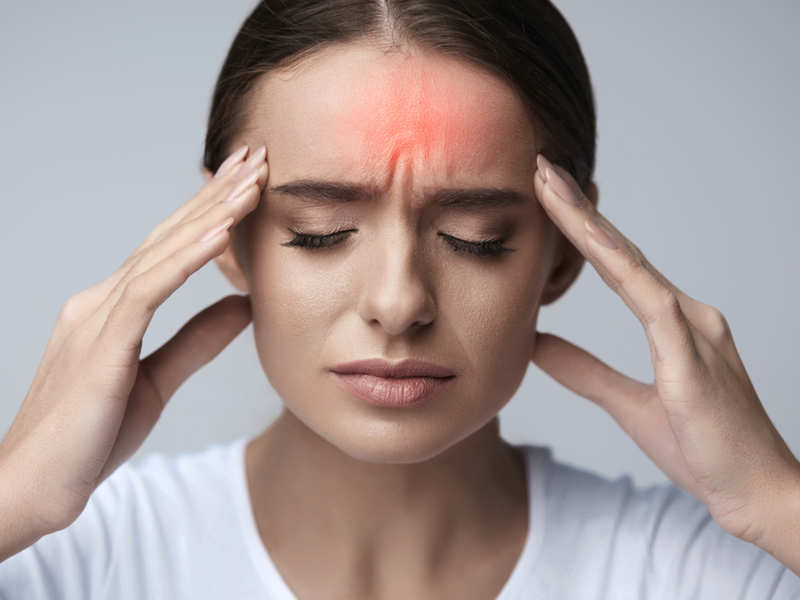
    Migraine headache is a complex, recurrent headache disorder that is one of the most common complaints in medicine. In the United States, more than 30 million people have 1 or more migraine headaches per year. Approximately 75% of all persons who experience migraines are women.

    Symptoms:

    Migraine Symptoms include a severe headache that occurs usually on one side of the head but sometimes can be on both sides of the head but it is very rare. There is a vast difference between the ordinary headache and migraine. Other migraine symptoms include a sensitivity to light, vomiting, nausea and sensitivity towards any kind of sound.

    A person suffering from migraines will always like to relax in the dark and quiet place and most of the times relief can be obtained only when vomiting takes place. It is a recurring condition which has no fixed timings or periods but can occur even in sleep.

  • Autism

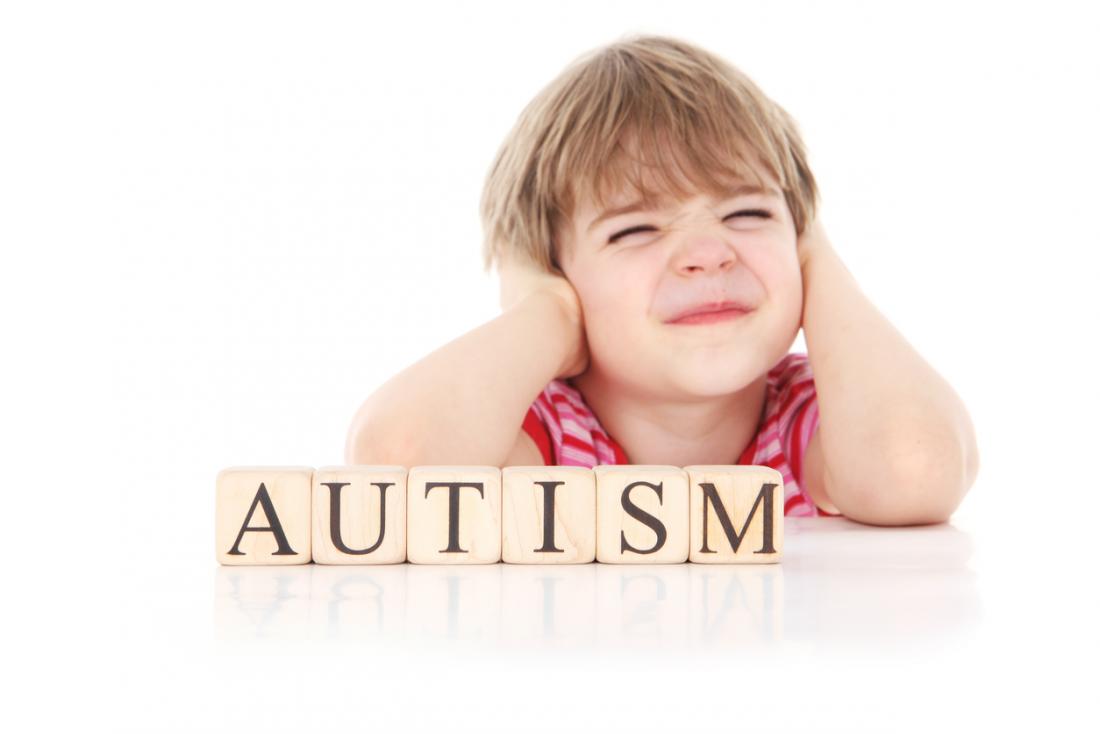
    Autism is one of several types of pervasive developmental disorders (PDDs), also called autism spectrum disorders (ASD). It is not unusual for autism to be confused with other PDDs, such as Asperger’s disorder or syndrome, or to have overlapping symptoms. A similar condition is called pervasive developmental disorder-NOS (not otherwise specified). PDD-NOS occurs when children display similar behaviors but do not meet the criteria for autism. Also, other conditions with similar symptoms may also have similarities to or occur with autism.

    Symptoms:

    * Significant problems developing nonverbal communication skills, such as eye-to-eye gazing, facial expressions, and body posture.

    * Failure to establish friendships with children the same age.

    * Lack of interest in sharing enjoyment, interests, or achievements with other people.

    * Lack of empathy. People with autism may have difficulty understanding another person’s feelings, such as pain or sorrow.